

Numismatist and estate-collectibles writer. Fifteen years cataloguing coin cabinets and estate lots, and watching people sell them for far too little.
A reader once mailed me a photo of a shoebox: maybe two hundred coins, a few medals, a pocket watch, and a ring his father “never took off.” A local shop had offered him a flat number for the whole box, take it or leave it. He wanted to know if that was fair. It wasn’t even close.

Why a single buyout rarely beats the room
A shop offer is one opinion with one wallet behind it. It has to be cautious, because that buyer carries every risk of reselling. An auction does the opposite: it gathers the people who already want what you have — coin specialists, watch nerds, art and antique collectors — and lets them bid against each other. Competition, not caution, sets the price.
That shoebox held two better-date coins and a watch with its original papers. Sold as one lot to a shop, it was “a few hundred.” Catalogued and offered properly, the better pieces alone cleared that several times over.
Buyout vs. the saleroom, plainly
| Shop buyout | Auction | |
|---|---|---|
| Speed | Same day | A few weeks |
| Price set by | One buyer, hedging risk | Collectors competing |
| Best for | Bullion, common dates | Key dates, signed & rare pieces |
| Usual outcome | Quick, conservative | Frequently well above the offer |
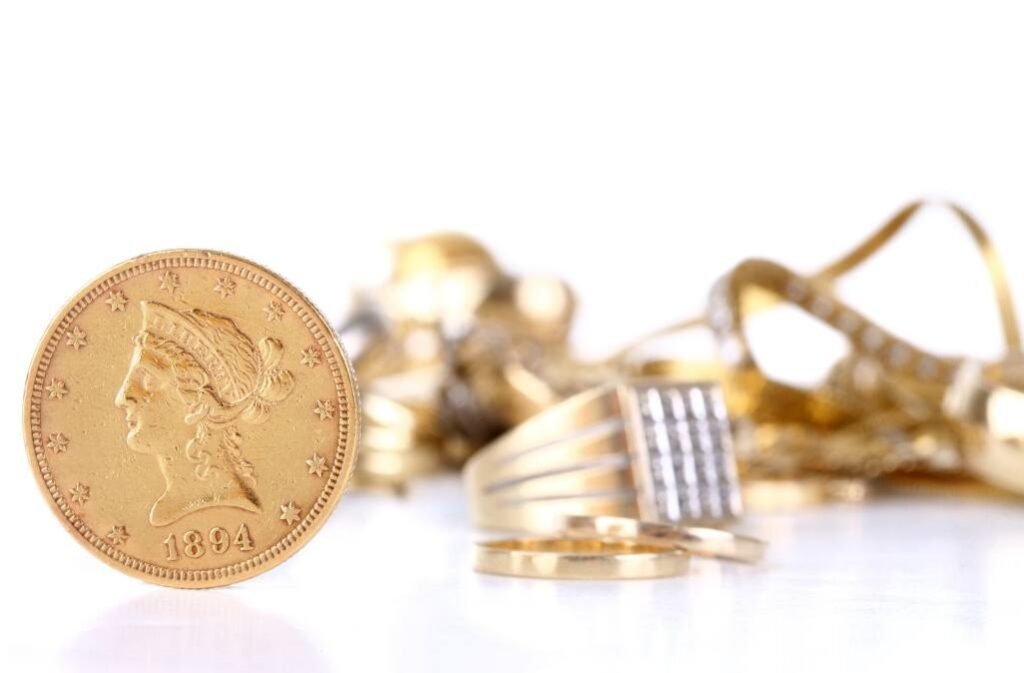
I told him what I tell everyone sitting on a mixed box: split the melt-grade filler from the genuine pieces, then let the real items face a crowd. You can sell the good pieces through Auction Wallstreet, a North Miami Beach house that takes fine art, antiques, jewelry and watches — where a contested lot tends to beat any single counter offer.

What wakes up a saleroom
- Key-date and graded coins — slabbed and scarce beats a heaped bag every time.
- Watches with papers — the box and documents can outweigh the metal.
- Signed jewelry — a stamped maker does the selling for you.
- Listed or regional art — provenance turns “nice” into “wanted.”
- Antiques, sterling and sets — completeness lifts the hammer price.
From people who stopped selling blind
“I nearly took $600 for my grandfather’s coins. Two of them alone settled for more than that at auction.” — Devon, Coral Springs
“They were straight with me — half the box was bullion, sell it local; the other half belonged in a catalogue.” — Priscilla, Boca Raton
FAQ
How do I know if my coins or pieces belong at auction?
Look for dates, mintmarks, maker’s stamps, grading slabs or original paperwork. Anything scarce or documented is a candidate; melt-grade material usually isn’t.
Is an auction really better than a quick buyout?
For the right pieces, yes. A buyout protects the buyer; an auction lets competing collectors push the price up for you.
How long does it take to get paid?
Typically a few weeks from consignment to sale, then settlement after the hammer — slower than a shop, but usually worth the wait.
What should I never auction?
Common bullion, broken scrap and generic costume pieces — those sell faster and just as well to a local buyer.